Prices that no one controls
A single bad or late feed cannot move the price. The median is taken over fresh observations at the end of each block, and the market only moves when quorum and minimum source count are met.
Oracles and web data
Contracts, programs and markets get validator-signed prices and attestor-signed web answers, final once the block is committed.
Prices / Web answers
The gap
This system gives it two things it needs: trustworthy market prices, and verified answers from the web.

Prices come from the validators that already secure the network. A feed sidecar beside each validator signs quotes, and the node combines them after each block into one index price and one mark price per market.
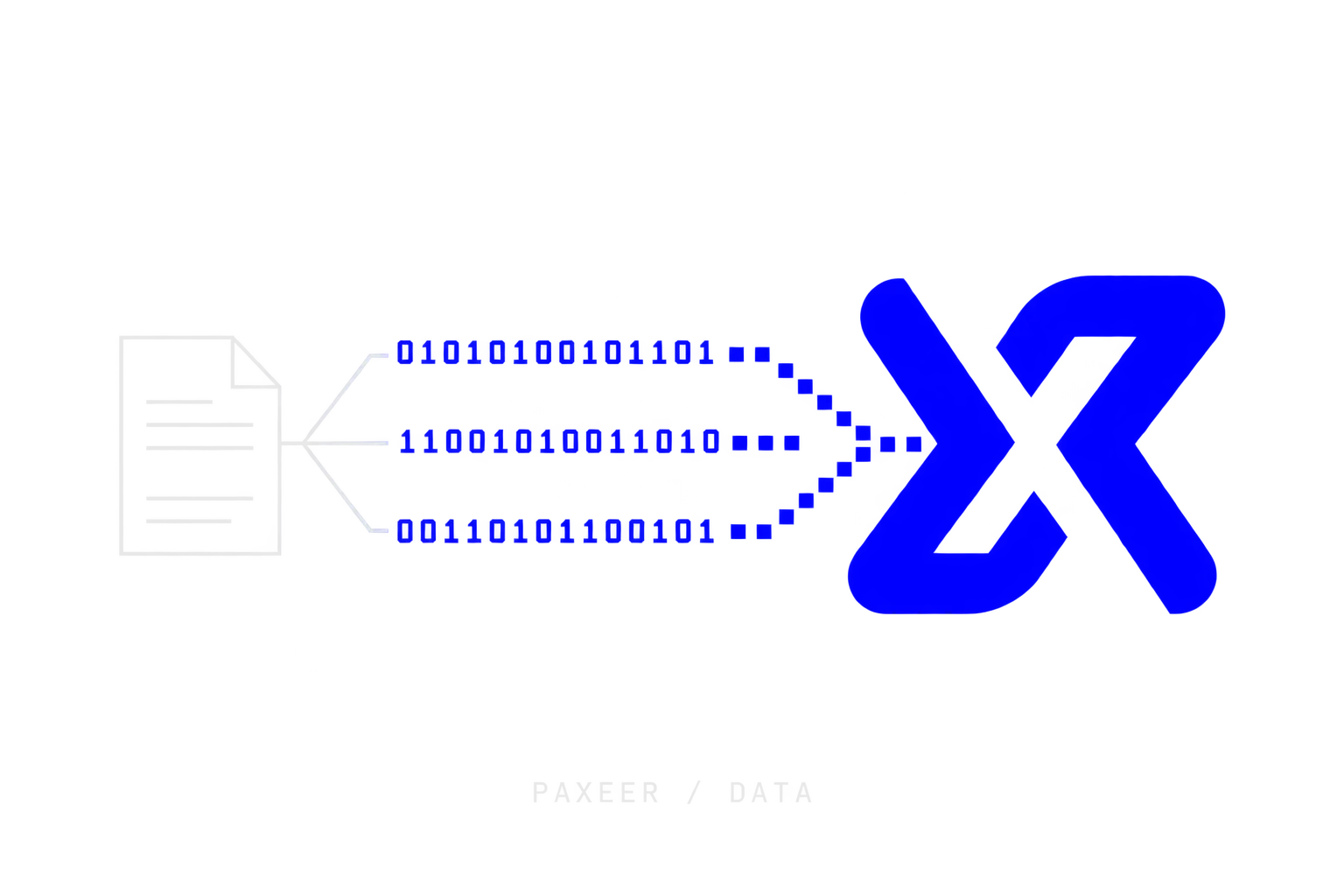
Web answers come from a registered set of attestors. Each fetches the content independently and signs what it saw, so the chain can show who vouched for the result.
Two tracks
Switch tracks to see how independent signers become one price or one answer. Both paths share one attestor set and one precompile address.
A single bad or late feed cannot move the price. The median is taken over fresh observations at the end of each block, and the market only moves when quorum and minimum source count are met.
At block end
After each block's transactions, the node checks the fresh observations. Either quorum holds and the market moves, or it does not and the last price stays.
Quorum holds
Quorum short
Mark price inside a clamp
Sample
Combine the fresh observations of bonded validators.
Find the median and drop sources that diverge too far.
Update if quorum and source count hold; otherwise keep the last price and record a skipped event.
Perpetual markets need a mark price that tracks the index without jumping. The module smooths the gap as a moving average, then clamps it to a band. Defaults are 150 seconds and 500 basis points, set by governance.
The call
Prices come from a native precompile at a fixed system address. Web data comes from the xweb precompile, for contracts and programs alike.
Read index price, mark price, age and source count from the pricefeed precompile, with no oracle contract to deploy or trust. One call accepts up to 64 markets. A price is fresh only if its market is enabled and it is within 15 seconds by default.
Call xweb with a request kind, a payload and a callback gas limit, and pay the fee. Ask for a fetched page, a search result, an API response or a storage receipt. The result and its callback arrive after fulfilment.
Each result stores up to 4,096 bytes with its content digest and full length, plus the signers. A callback that reverts is recorded but does not undo the fulfilment.
If no answer arrives before the timeout, the requester can take the fee back, exactly once. Signers are paid when a fulfilment lands.
Connections
Bonded validators supply prices. Governance sets price parameters, the market list and the xweb attestor set.
Spot and perps modules read prices and freshness straight from chain state.
LayerX programs emit a web request, a fulfilment of 1 to 16 signatures is checked against it, and the program reads the answer with a result query. Fetch and search are supported.
The app relies on the index and mark prices produced here.
Run one Rust sidecar with health and readiness endpoints, a crash-recovery journal, and protected credentials.
It still exists, but its EVM precompile is retired and reverts with a message that oracle data queries are disabled. New contracts use the pricefeed precompile.
Read more
Markets enginePrograms runtimePerps tradingQuestions
No. Each price is a median across bonded validators, and a market updates only when agreeing sources hold more than two thirds of bonded power and meet the minimum source count.
The market keeps its last price and an event records that the update was skipped.
The precompile marks a price fresh only if its market is enabled and it is no older than the maximum price age, 15 seconds by default.
After the timeout, the requester can take the fee back, exactly once.
No. A callback that reverts is recorded, but the fulfilment stands.
No. It is retired and reverts with a message that oracle data queries are disabled. Use the pricefeed precompile.