A network wheresoftware holds money.
Paxeer X is a public blockchain network for software that handles money. Its chain runs Ethereum programs on chain ID 125, and LayerX gives every program a wallet with limits a person sets.

Software can act. It still pays with borrowed money.
Agents already search, compare and book on our behalf. At the moment of payment they reach for a card number or an API key that was never built for them.
- A spending rule
- TodayA card has a credit line. It cannot be told twenty a day, one vendor, nothing after Friday.
- On Paxeer XA budget with a period cap, a list of delegates and an expiry, checked on every activity.
- A very small payment
- TodayAn invoice cannot settle a fraction of a cent, so usage is bundled into a monthly bill.
- On Paxeer XA service answers HTTP 402 with a price and the caller pays inside the same request.
- A leaked credential
- TodayA leaked API key is a blank check until someone notices and rotates it.
- On Paxeer XA session key can only do less than its owner, and stops working at the expiry you set.
- Proof it happened
- TodayA statement from the provider, which you take on trust.
- On Paxeer XA signed receipt per activity that anyone can verify without trusting the node that served it.
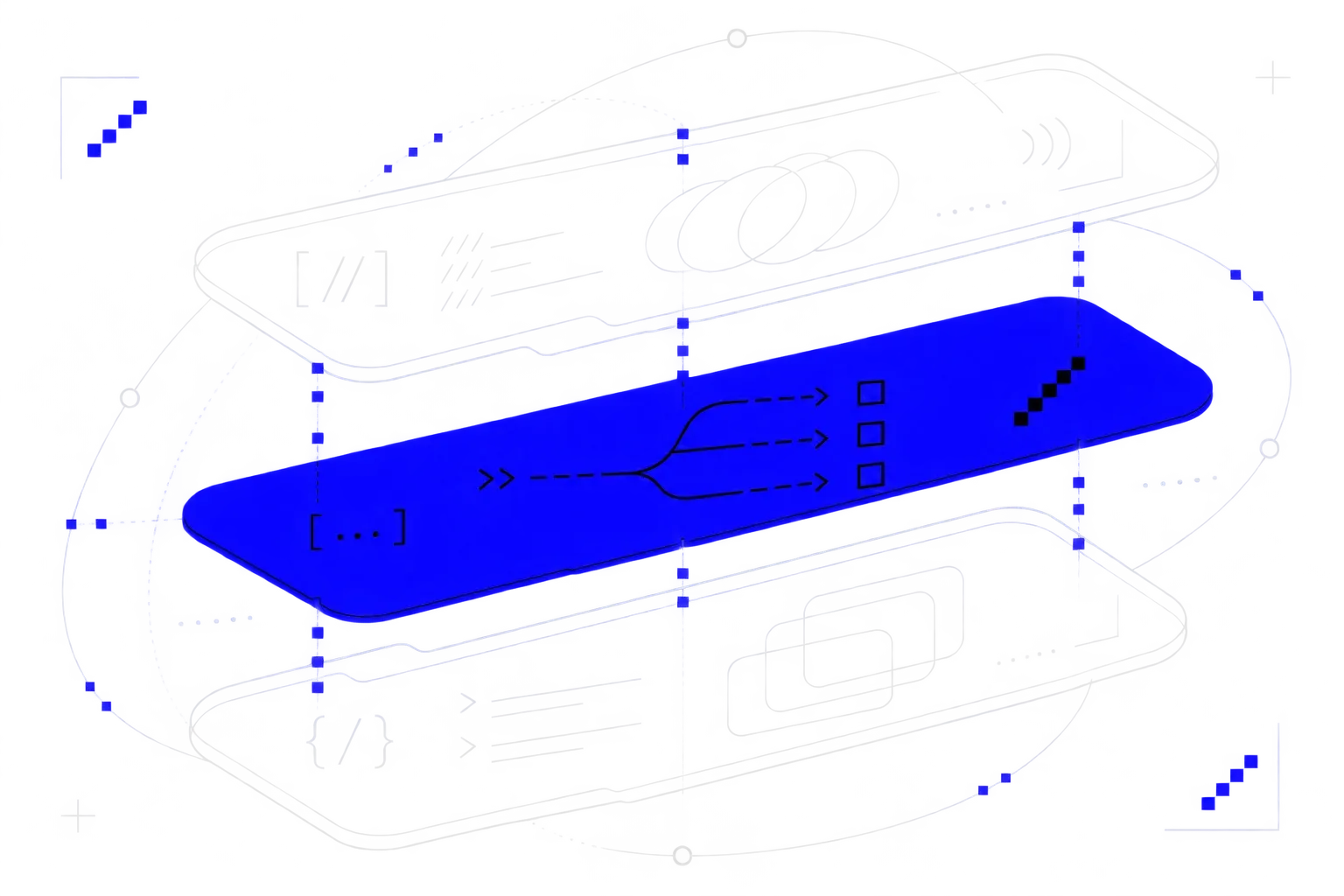
One network, two domains.
The chain holds the money and has the final word. LayerX runs agent activity at the pace software works.
- Paxeer X chain
- An EVM chain with ID 125, run by BFT validators. A committed block is final. It holds custody and settles LayerX checkpoints.
- LayerX
- The agent domain. It orders each activity at once, checks it against the grant and budget, and returns a signed receipt.
- Native precompiles
- Contracts on the chain verify LayerX receipts, proofs and checkpoints directly, with no bridge contract in between.
- PAX
- The native asset. It pays gas on the chain, is staked by validators and settles value across both domains.
How a payment moves.
A person writes the rules once. The agent works inside them all day, and the network settles the result.
Fig. 3 A key scoped to one budget You fund it and write the rules
Open a budget with a period cap and an expiry, then give the agent a session key that can spend from that budget and nothing else.
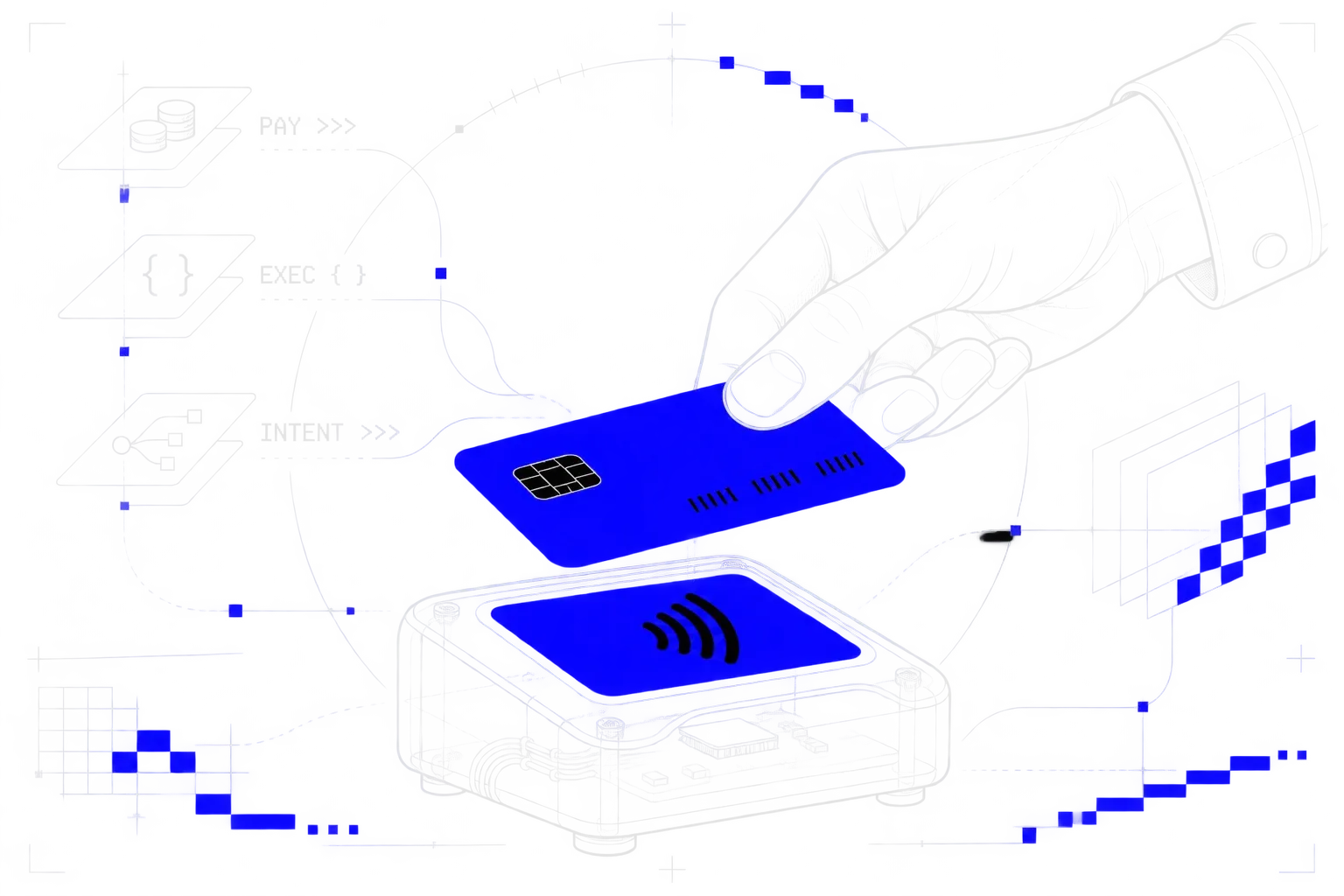
Fig. 4 Payment inside the request The agent pays as it works
Each activity is checked against the grant and the budget before money moves. A payment over the limit is refused, and a retry never charges twice.
Fig. 5 Receipts kept as evidence The network settles and proves it
Bonded guarantors re-execute each batch, and the checkpoint settles on the Paxeer X chain. Every activity leaves a receipt you can keep.
Common questions.
What people ask before they build on Paxeer X.
Is Paxeer X live?
Yes, as a limited beta on mainnet with real value. It has not opened to everyone yet. Approved developers receive PAX allocations from the team, and there is no public faucet. Apply from the Start building page.
Is Paxeer X only for AI agents?
No. Any app, service or script can hold a wallet, pay per request and keep receipts. Agents are the clearest case because they make many small decisions quickly, but billing systems, marketplaces and trading desks gain in the same way.
What is the difference between Paxeer X and LayerX?
Paxeer X is the network. LayerX is one of its two execution domains, the one where agent activity runs. The other is the Paxeer X chain, an EVM chain with ID 125 that holds custody and settles LayerX checkpoints. There is no separate LayerX token.
What happens if an agent is compromised?
It can spend only what its grant and budget allow, and only until they expire. Revoke the grant, or bump the identity’s revocation sequence to void every grant at once, and its next activity fails. The loss is capped at the limit you wrote.
Can I use my existing Ethereum tools?
Yes. The Paxeer X chain serves standard Ethereum JSON-RPC on chain ID 125. Foundry and Hardhat build and test the network’s own contracts, and any client library that speaks standard JSON-RPC works. A short, documented list of methods refuses on purpose.
Who builds Paxeer X?
Sidiora Labs develops Paxeer X. The code is open source in one public monorepo on GitHub, and the full technical design is set out in the whitepaper.
Give your software a wallet.
Apply for the limited beta, receive an allocation from the team and settle a first paid request with a receipt you can prove.